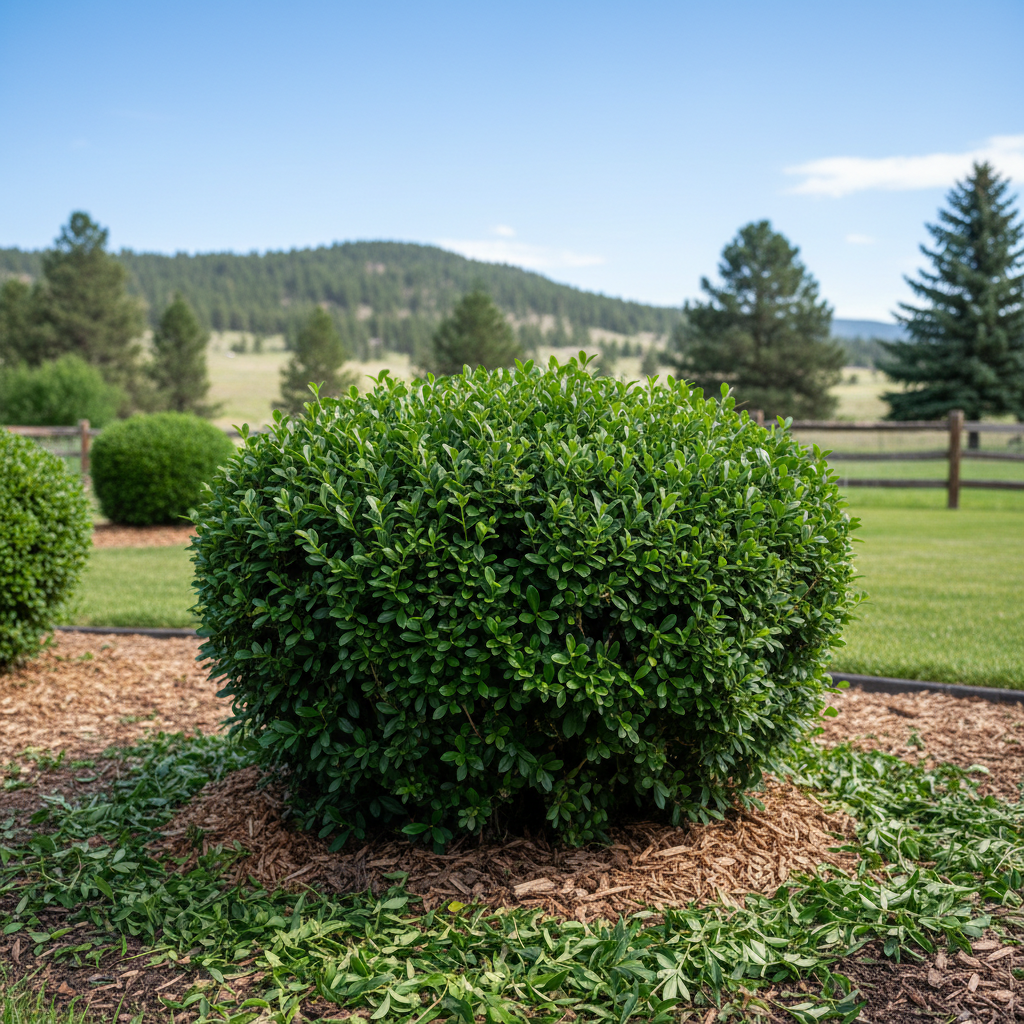
You've got shrubs, you've got bushes, and you've probably got questions about how to keep 'em looking their best. I hear 'em all the time when I'm out on jobs around Helena, from the older homes up on the west side to the newer builds out by the lake. So, let's get right into some of the most common things folks ask me about shrub and bush trimming.
When's the best time to trim my shrubs and bushes?
This is probably the number one question I get, and the answer, like most things in nature, isn't a simple one-size-fits-all. Generally, for most deciduous shrubs (the ones that lose their leaves), the dormant season – late winter to early spring, before new growth really kicks in – is ideal. Why then? Well, the plant's 'asleep,' so it's less stressed, and you can clearly see the plant's structure without all the leaves in the way. Plus, you're not cutting off any new flower buds that would open in spring.
Now, for spring-flowering shrubs like lilacs or forsythia, you absolutely want to wait until *after* they've bloomed. If you trim them in late winter, you're just cutting off all those beautiful flowers you're waiting for. Once the flowers fade, that's your window. Summer-flowering shrubs, on the other hand, can usually be trimmed in late winter or early spring because they bloom on new wood. Evergreen shrubs, like junipers or arborvitae, are a bit more forgiving. You can usually trim them in late winter/early spring or in mid-summer after their first flush of growth has hardened off. Just avoid late fall trimming for evergreens; new cuts can be damaged by our harsh Helena winters.
How much should I actually cut off?
This is where a lot of people get nervous, and for good reason – you don't want to hack your plants to death. A good rule of thumb for general maintenance is to remove no more than about one-third of the plant's total mass in a single season. If you're doing a rejuvenation prune on an overgrown shrub, you might go a bit more aggressive, but that's a different technique and usually best done over a couple of years, not all at once.
Focus on removing dead, diseased, or damaged branches first. Then, look for branches that are crossing and rubbing, or those growing inward towards the center of the plant. You're aiming to improve air circulation and light penetration, which helps prevent disease. Always cut back to a main branch, a side branch, or just above a bud that's facing the direction you want new growth to go.
Can I just use hedge shears for everything?
You *can*, but you probably shouldn't for most shrubs. Hedge shears, especially the electric kind, are great for creating formal hedges or getting a quick, uniform shape. But for the overall health and natural appearance of most shrubs, selective pruning with hand pruners, loppers, or a hand saw is much better. Hedge shears tend to just cut the outer layer of foliage, leading to a dense, leafy shell on the outside and bare, woody stems on the inside. This 'shearing' can actually reduce flowering and make the plant more susceptible to disease because air circulation is poor.
For a natural look, you want to go in and remove individual branches. This encourages growth from deeper within the plant, keeps it healthier, and allows for better light and air flow. Think of it like giving your plant a haircut, not a buzz cut.
My shrubs are huge and overgrown. Can they be saved?
Absolutely, many can! This is a common scenario, especially with older landscapes around Helena where plants might have been neglected for years. We call this 'rejuvenation pruning' or 'renewal pruning.' For many deciduous shrubs, you can cut them back hard, sometimes almost to the ground (about 6-12 inches), in late winter or early spring. It sounds drastic, and it is, but many shrubs respond by sending up vigorous new growth. It might take a season or two for them to look good again, but it's often worth it to avoid replacing the entire plant.
For some evergreens, it's a bit riskier. Some, like yews, handle hard pruning well, but others, like junipers or arborvitae, might not push new growth from old wood and could end up looking permanently bare inside. It really depends on the species. If you're unsure, it's always best to consult with someone who knows their stuff, like us at Helena Tree Service, before you take a chainsaw to your prized shrub.
What tools do I need for trimming?
You don't need a huge arsenal, but having the right tools makes a world of difference. Here's what I recommend for the average homeowner:
- Hand Pruners (Bypass Type): These are your workhorses for anything up to about 3/4 inch thick. Bypass pruners make a clean cut, like scissors, which is better for the plant than 'anvil' types that crush the stem.
- Loppers: For branches between 3/4 inch and 1 1/2 inches. Their long handles give you leverage.
- Pruning Saw: For anything thicker than 1 1/2 inches. A good folding saw is super handy.
- Gloves: Protect your hands from thorns and sap.
- Safety Glasses: Always, always wear these. Twigs spring back, and you don't want an eye injury.
And here's a big one: keep your tools sharp and clean! Dull tools tear and damage branches, which makes the plant more susceptible to disease. Clean them with rubbing alcohol between plants, especially if you're working on something that looks diseased, to avoid spreading issues.
Why are my shrubs not flowering after I trim them?
This usually comes back to timing, especially for those spring-flowering shrubs we talked about earlier. If you prune them in late winter or early spring, you're cutting off the flower buds that formed on last year's growth. Those buds are already there, waiting for spring to pop. So, if your lilac or forsythia isn't blooming, think about when you last trimmed it. Wait until *after* the flowers fade next time, and you should see a much better show the following year.
Another reason could be over-pruning or improper pruning that stresses the plant, or even just general plant health issues like lack of nutrients or too much/too little water. But nine times out of ten, it's just a timing issue with those early bloomers.
Hopefully, this clears up some of your questions about keeping your shrubs and bushes healthy and looking great. It's not rocket science, but understanding a few basics goes a long way. If you've got a big job or just want it done right, you know who to call.